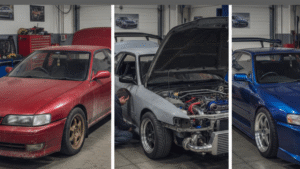
Vehicle alteration, which usually follows from the desire to personalize and enhance our vehicles is a universal practice. From installing roaring exhausts for a sportier feel and lifting suspension for off-road adventures to adding dazzling neon lights for a unique look, car upgrading is a popular practice in Nigeria and across the world. However, what many car enthusiasts do not realize is that illegal vehicle modification can lead to severe penalties. These may include heavy fines, vehicle impoundment, and even criminal charges. Understanding the legal underpinnings of vehicle alterations is essential for any car owner considering an upgrade. This article gives a brief overview of the legal framework, providing a handy guide for car owners.
Understanding the Key Regulators and Laws
The Federal Road Safety Corps (FRSC) and the Nigerian Police Force primarily shape the legal landscape for vehicle modification in Nigeria.
Amendment to Factory Specifications
The Federal Road Safety Corps (FRSC) is the primary agency responsible for enforcing road traffic rules in Nigeria. This is done through its National Road Traffic Regulations (NRTR), 2012. Under these regulations, any change to a vehicle’s original factory specifications requires official notification and approval.
A foundational rule in this regard is found in Regulation 13(3) of the NRTR, 2012. These regulations mandate that the owner of a vehicle must, within fourteen days, notify the Licensing Authority of any alteration to the vehicle. This means that any significant change to a vehicle’s chassis, body, or colour must be reported. This includes upgrades to the car body that alters the aesthetics, for example, by making it appear like a different model.[1]
The practical process for this involves having the alteration certified by the FRSC and officially recorded in the vehicle’s record at the appropriate Motor Vehicle Administration Agency (MVAA). Failure to do this is a direct breach of Regulation 13 of the NRTR.
Tampering with Vehicle Chassis or Engine Number
More seriously, tampering with a vehicle’s engine or chassis number without proper documentation is a severe criminal offence. Regulation 14 of the NRTR, 2012 requires car owners to notify the Authority, should the engine of a vehicle be replaced. Furthermore, the Miscellaneous Offences Act[2] prescribes a mandatory prison sentence of not less than one year for anyone who tampers with a vehicle’s identification marks without the owner’s consent or lawful authority.
Modifications that compromise safety
The Nigerian Police Force, alongside some state agencies like LASTMA in Lagos, enforces laws against modifications that compromise safety and public order. The use of tinted glass is a prime example. Regulation 130(2) of the NRTR, 2012 makes it illegal to drive with tinted glass without approval by the appropriate authority, that is, a valid Police Tint Permit. This was reinforced by the Court of Appeal in the case of Agbor V. Commissioner of Police (2016) LPELR-40559(CA).
Use of Sirens, Wailers and Flash Lights
Other common modifications include the unauthorized use of sirens and flashing lights. Regulation 154 of the NRTR, 2012 restricts such to vehicles belonging to designated officials. The installation of sirens or beacon lights is strictly illegal for private citizens and can lead criminal prosecution or fine.
Installation of loud exhaust systems is also explicitly prohibited under Regulation 121 of the NRTR, 2012 , which forbids the use of a vehicle that emits “unnecessary noise”.
A Practical Guide to Common Modifications
Understanding which vehicle alterations are legal and which require official approval can be challenging. The following section outlines the most common modifications and the specific laws that govern them.
Change of Vehicle Colour, Chassis or Body
Changing your vehicle’s colour, chassis, or body is legal, but the Regulation 13(1) of the NRTR, 2012 makes it mandatory to obtain approval before the a vehicle colour is changed.
Engine Swaps
Engine swapping is permissible provided you legally update your vehicle documents. However, deliberately altering engine or chassis numbers to conceal a vehicle’s true identity is a serious crime.
Other Aethestic and Miscellaneuos Alterations
Lifting or lowering your car suspension becomes illegal if the alteration compromises the vehicle’s handling, braking, or overall safety, rendering it unroadworthy.
Modifications like loud exhaust systems are explicitly illegal on public roads under the amended regulations, which now specifically prohibit excessive noise and smoke. The use of aftermarket LED light bars is only legal for off-road use; switching them on while driving on public roads, where they can blind other motorists, is an offence.
Quick Reference: Are These Car Modifications Legal in Nigeria?
| Modification | Legal Status | Key Regulation/Authority |
| Change of Colour | ✅ Legal, if documents are updated | FRSC (NRTR 2012) |
| Window Tinting | ❌ Illegal without a Police permit | Nigerian Police Force |
| Engine Swap | ⚠️ Legal only with approval; illegal if numbers are tampered with | FRSC Act, Criminal Code |
| Lifted Suspension | ⚠️ Grey area; illegal if vehicle becomes unsafe as a result | FRSC Roadworthiness Rules |
| Loud Exhaust | ❌ Generally illegal on public roads | NRTR 2012 (Noise Pollution) |
| Aftermarket LED Bars | ⚠️ Legal off-road; illegal if used on main carriage ways and if they tend to blind other drivers | State Traffic Laws |
| Sirens/Beacons | ❌ Illegal for private citizens | NRTR 2012 |
Consequences of Illegal Modifications
The penalties for non-compliance are severe and multi-faceted. The FRSC Act and various state traffic laws empower law enforcement agencies to impose significant fines and impound your vehicle until you reverse the illegal modifications.
Perhaps one of the most significant risks involved in unapproved vehicle alteration is the invalidation of your car insurance. In the event of an accident, your insurance company may refuse to pay the claim if they determine that an illegal or unapproved modification contributed to the incident. This principle was supported by the Supreme Court in Unity Life & Fire Insurance Co. Ltd v. Adegbite (1968) 1 All NLR 163, which held that a material change to the insured risk without the insurer’s consent voids the policy.
For the most serious offences, such as tampering with chassis or engine numbers or the unauthorized use of sirens, individuals can face criminal prosecution, which may result in a prison sentence.
Your Checklist for a Legal and Safe Vehicle Upgrade
To ensure your vehicle upgrades are both satisfying and lawful, always follow these key steps. First, consult the FRSC for any major changes like engine swaps or colour changes to understand the necessary approval process. Second, if you desire tinted windows, you must apply for and obtain a permit through the official Nigerian Police Force channel.
Third, always prioritize safety by avoiding modifications that compromise your vehicle’s handling or the safety of other road users, and insist on using only genuine and certified parts. The law requires you to update your vehicle license and all other relevant documents immediately after completing any approved modification.
Conclusion
While car culture is exciting, it must be balanced with responsibility and adherence to the law. By understanding and following the regulations set by the FRSC, the Nigerian Police, and other laws and regulations, you can confidently personalise your vehicle, ensuring your upgrades are legal, safe, and enjoyable for years to come.
Disclaimer: This article provides general information and does not constitute specific legal advice. For advise tailored towards specific situations, please consult an Attorney.
Subscribe, follow, share!
Has this article been of help? Why not consider subscribing to our mailing list us for more.
Do not forget to share, Follow our pages on Facebook and Instagram and also subscribe to our WhatsApp Channel
[1] Regulation 13(4)
[2] Miscellaneous Offences Act, Cap M17, Laws of the Federation of Nigeria 2004